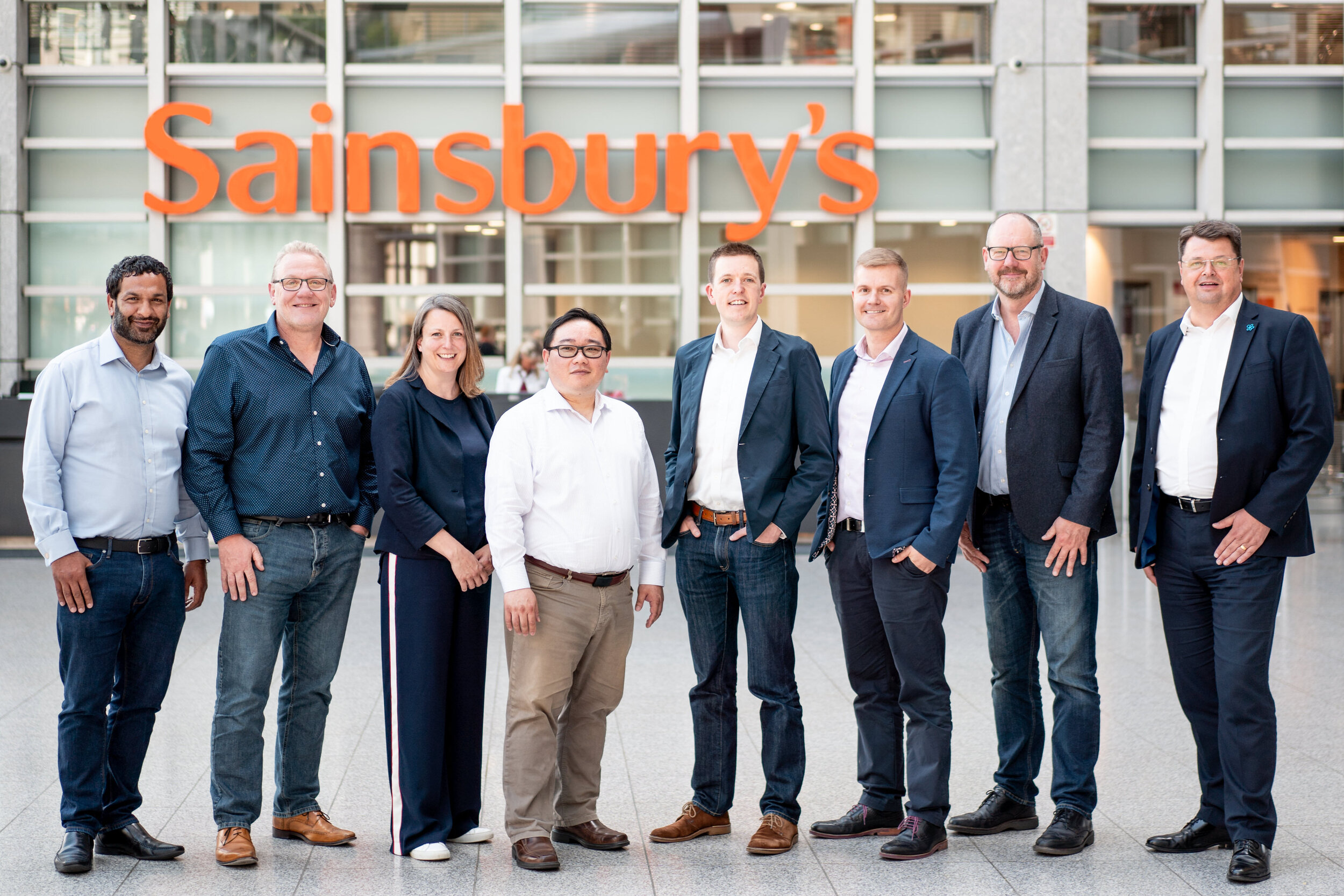
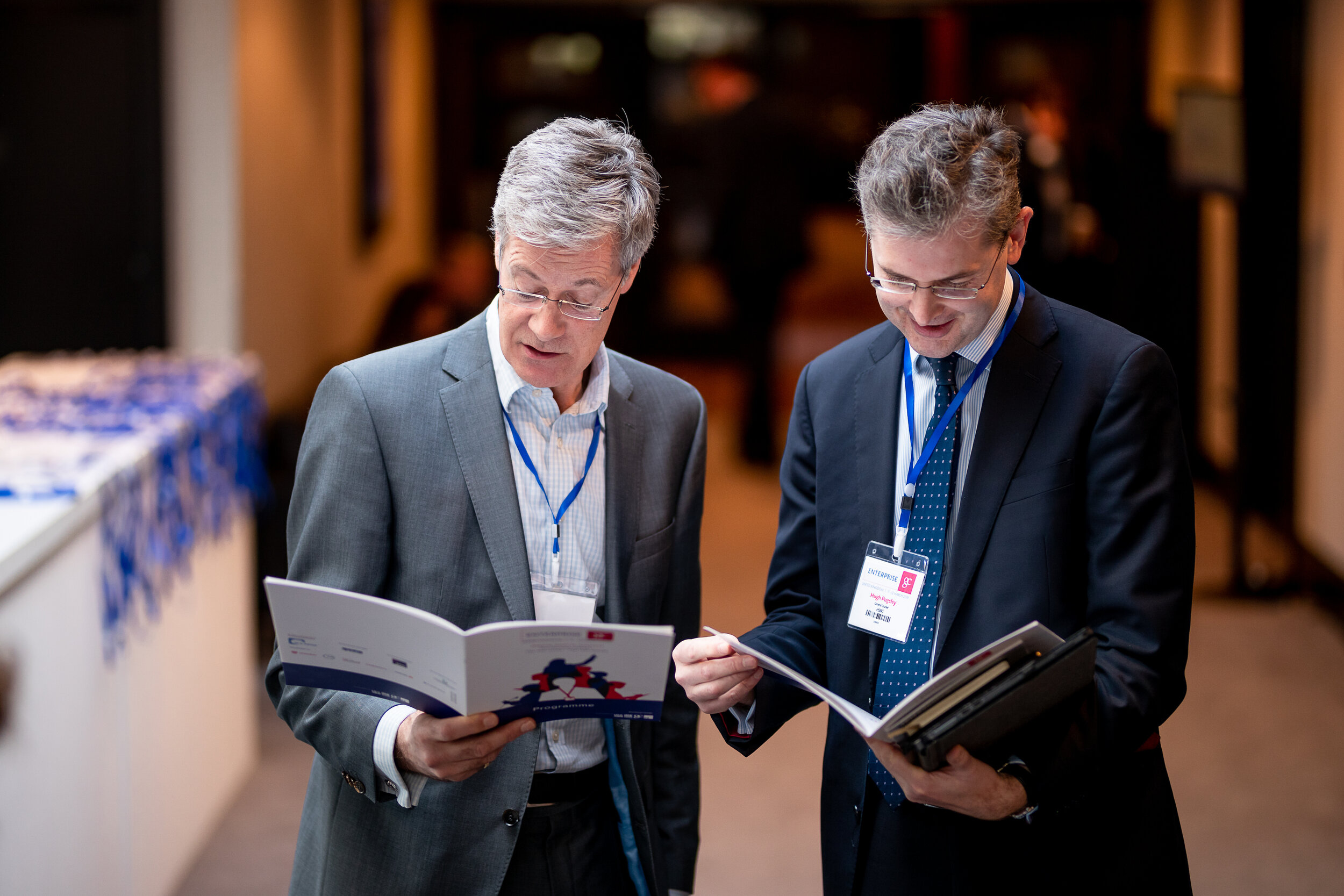
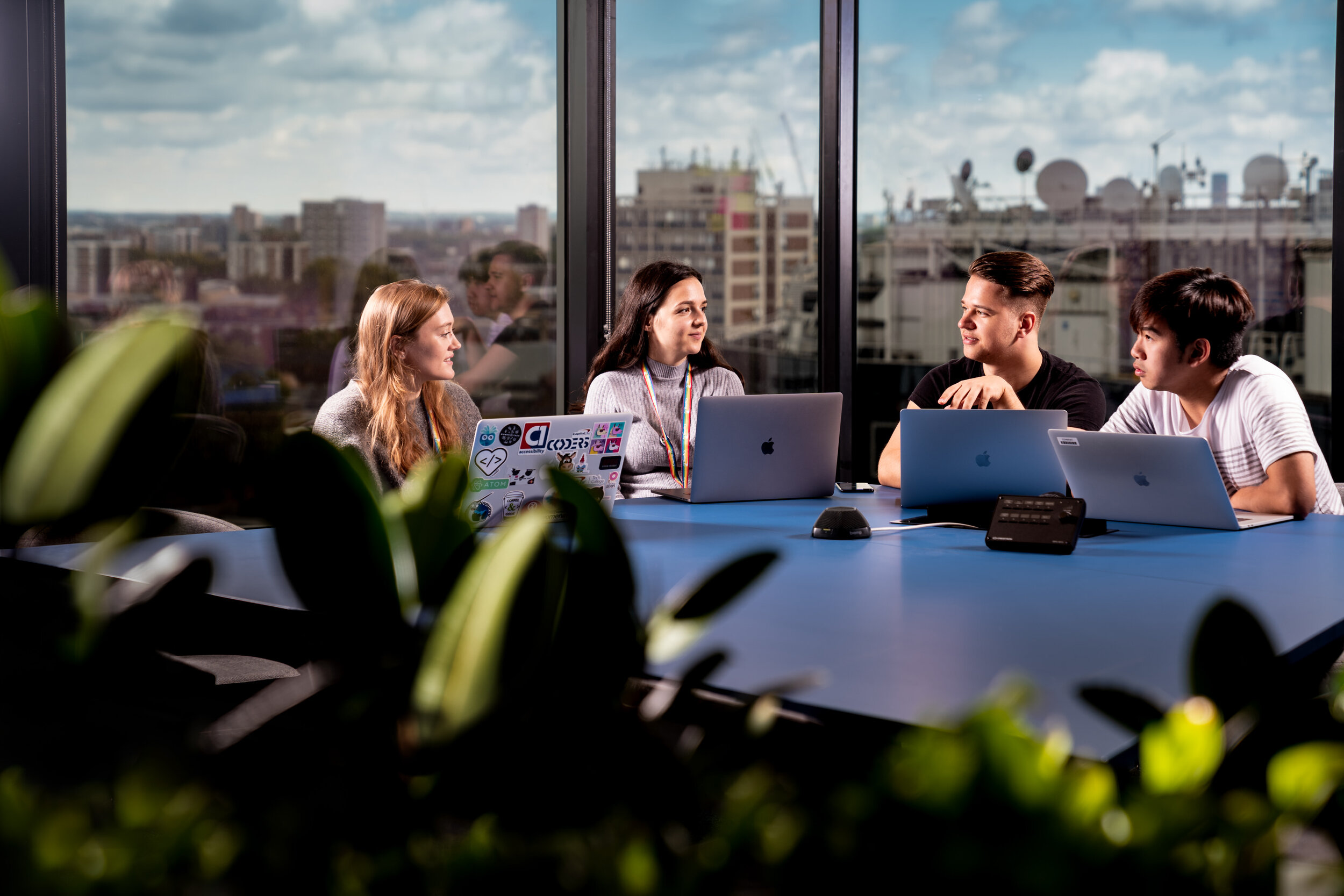
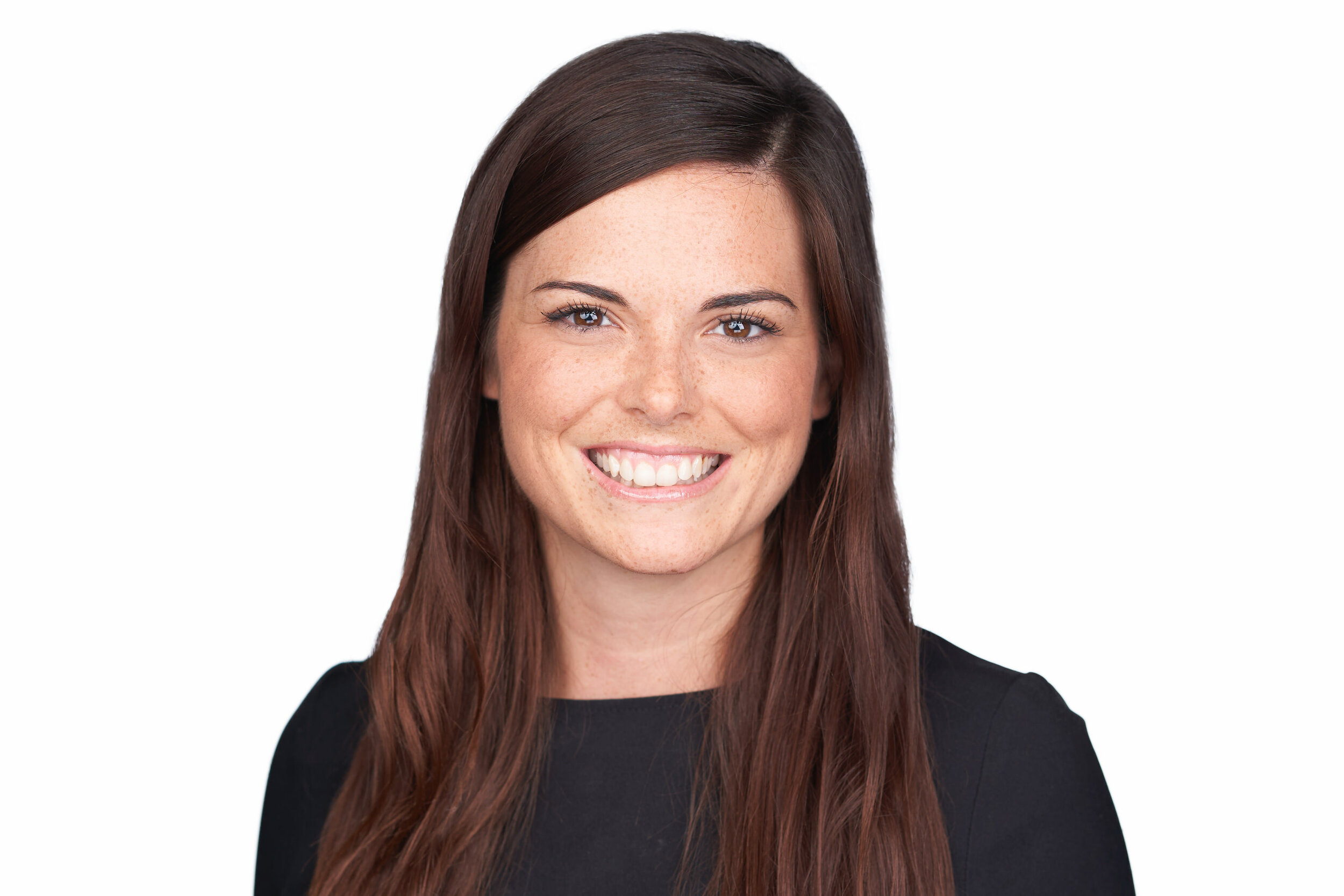
I learned a bit about film photography at school as an extra-curricular activity. My interest took off when I got my first digital camera. It was 3.3 megapixels and the instant feedback it gave me compared to developing film was a game-changer. I studied IT and business at uni and then started my career working in digital marketing agencies for several years in London and Sydney, Australia. Photography was my hobby. I found myself unhappy with my job at one point, so quit, and took the brave (perhaps foolish) decision to turn my hobby into a career. Starting in photography, I took on any job that came along, be it photos of food, products, people, events, or landscapes. Over time I realized what I enjoyed shooting and what I didn’t enjoy, and what paid well and less well. Corporate photography was where I ended up.
For more content and enquiries please visit:
https://andytylerphotography.co.uk/
AM
In the morning I read and reply to my emails.
I’ll plan and pack the necessary gear for my shoot that day.
I always double-check gear for the shoot. I have nightmares about forgetting vital bits of equipment and not being able to do the job in hand.
Travel to the shoot, usually by public transport, but by car or taxi if there is too much equipment to carry by myself.
PM
Arrive at my client’s location ahead of the scheduled time. Do a little walk around to check out the location and decide on the best place(s) to shoot.
I’ll then carry out the photoshoot, before packing up my gear into the same place in my bag that it came from, to ensure I don’t leave anything on site.
I’ll then travel home, before backing up all the RAW images to multiple hard drives.
I’ll then go through the images and copy selects to a new folder. I’ll then import those images into Lightroom and edit them one by one.