Corey Brotherson
WRITER / EDITOR / CREATIVE CONSULTANT / NARRATIVE DESIGNER
Software and Technology
- BIO
- Day in the life
- TIPS
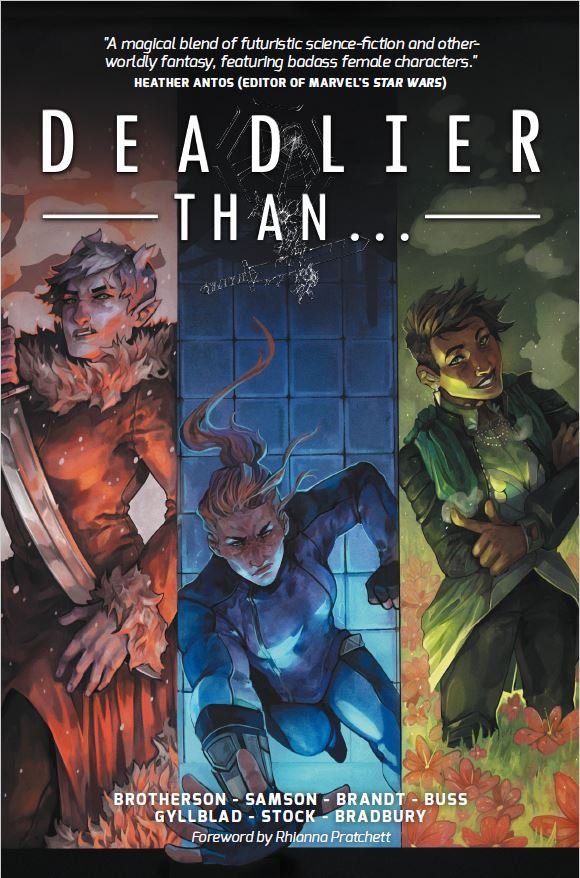
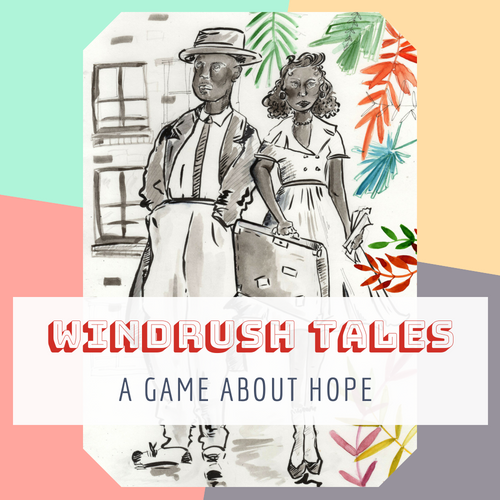
Crafting and guiding content and fiction across different mediums including games, comics, and TV, I am an award-winning storyteller and copywriter who has also enjoyed a nearly 19-year career for companies including Yahoo!, Eurogamer and PlayStation Europe, as well as acting as line editor for Butterfly Books and writing and editing a variety of acclaimed graphic novels, such as Magic of Myths, Deadlier Than… and Clockwork Watch. In the realm of video games narrative, I am currently working on branching text-based adventure Windrush Tales and a currently unannounced project.
AM
– After a light breakfast, I check social media and news sites to get a general idea of what’s going on in the world (this is useful for future inspiration and ideas).
– Then, I go through my list of tasks for the day that I’ve put together the night before, to see if there’s anything I need to adjust before I get started.
– I bring up/load any planning or design documents required to write.
– Collate and send any questions I have to the studio leads if needed.
– Start mapping out the aims of each scene, character motivations and emotions, and the player’s emotional journey.
PM
If I’ve not started scripting the scenes and dialogue before lunch, I begin that. Most of my afternoon will be this if there are no meetings to attend.
– By the end of the day, I re-read what I’ve done and prep it for submission along with my notes and rationale (reasons for my creative decisions) for the studio leads.
- Always put the player first. Writing is always about charting the audience’s emotion, but video games are one of the few storytelling mediums where the narrative is second (to the player’s enjoyment of the gameplay). Many players will skip through your wonderfully crafted dialogue, so consider their experience: how they will engage with the story and if your words are enhancing the gameplay rather than sitting aside from it.
- Find out early if the dialogue will be voiced, read, or a combination of both. You should always read your dialogue out aloud no matter which medium you’re writing for (in order to make it sound natural and weed out any clunkers), but in games, you can play with the format of the text (colour, size, style, delivery) to help make it more entertaining. However, it’s best to keep the format simple if the dialogue is being voice acted, as not to distract (or make subtitles difficult to read). Either way, spoken dialogue vs written dialogue have their pros and cons, and are not always transferable, so knowing which is going to be used can help inform and maximise your creative choices.
- Learn how to collaborate with your team and be flexible with your writing. Working in comics taught me a great deal about how your stories are seen through the prism of someone else’s creative lens, and in games, you’ll be going through not just the designer and artist, but studio bosses, programmers, and many others, before it’s fully realized. Work with them closely to learn the boundaries and nuances of the game and playtest often to help work out the pacing of your writing within the gameplay structure itself (as no player will be experiencing your script as it’s written, it’ll be broken up with gameplay elements which entirely change the pace of the story). There’s no point in crafting something visually complex if your characters can only express themselves in small or basic pixels – but with your team, you can work out the best way to convey a nuanced emotion or complicated scene.
MY WORK